
About Us
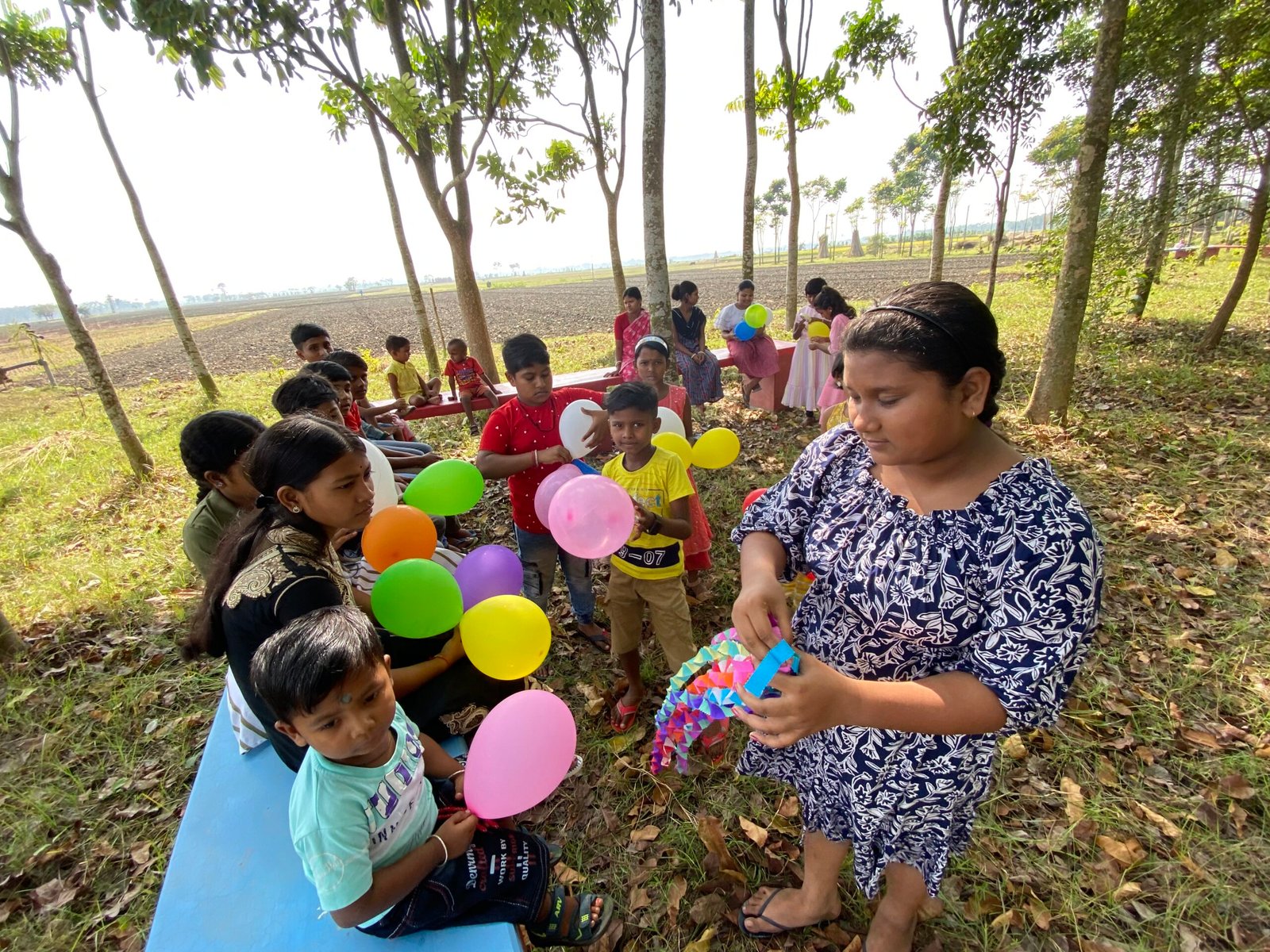
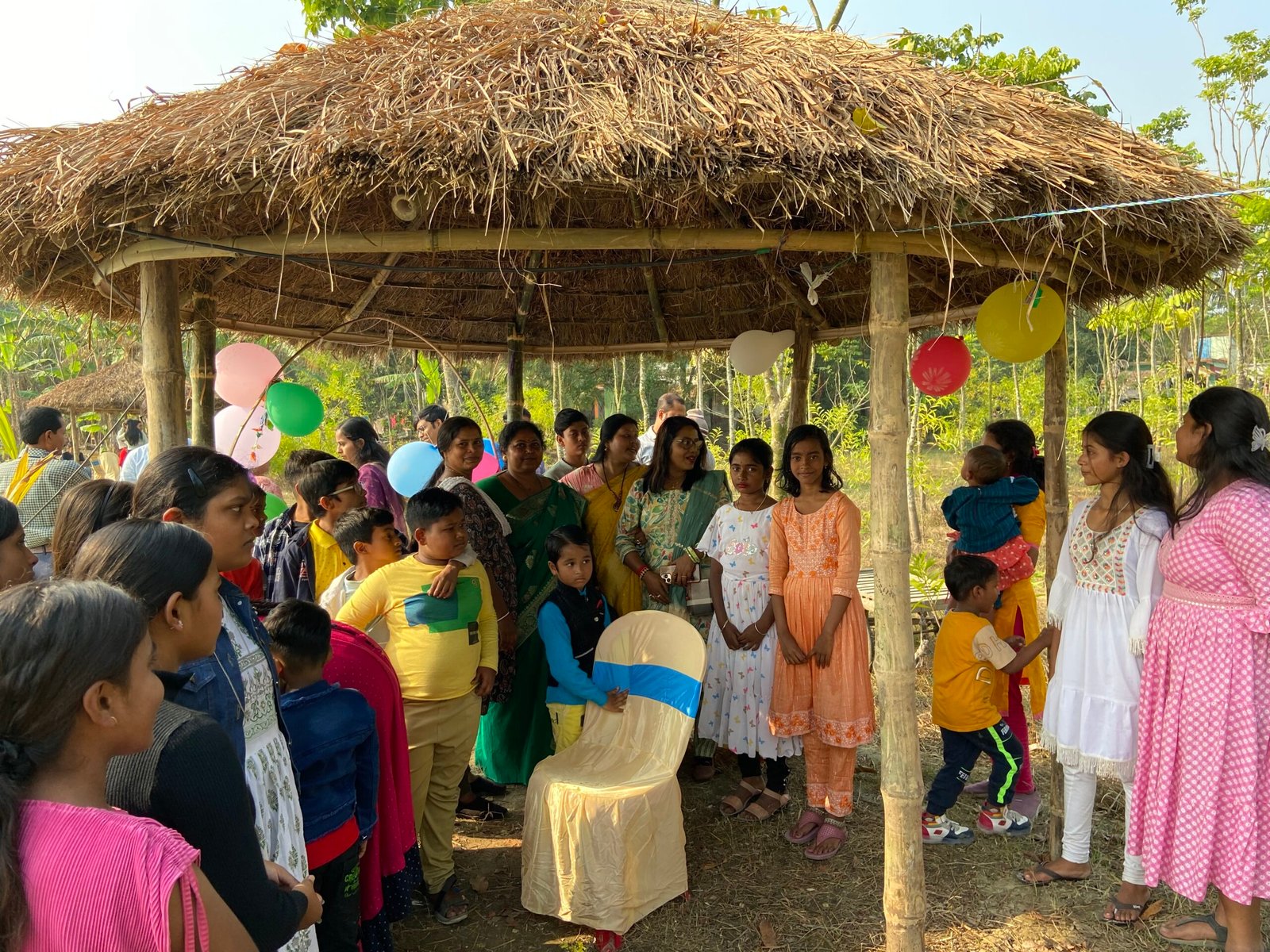
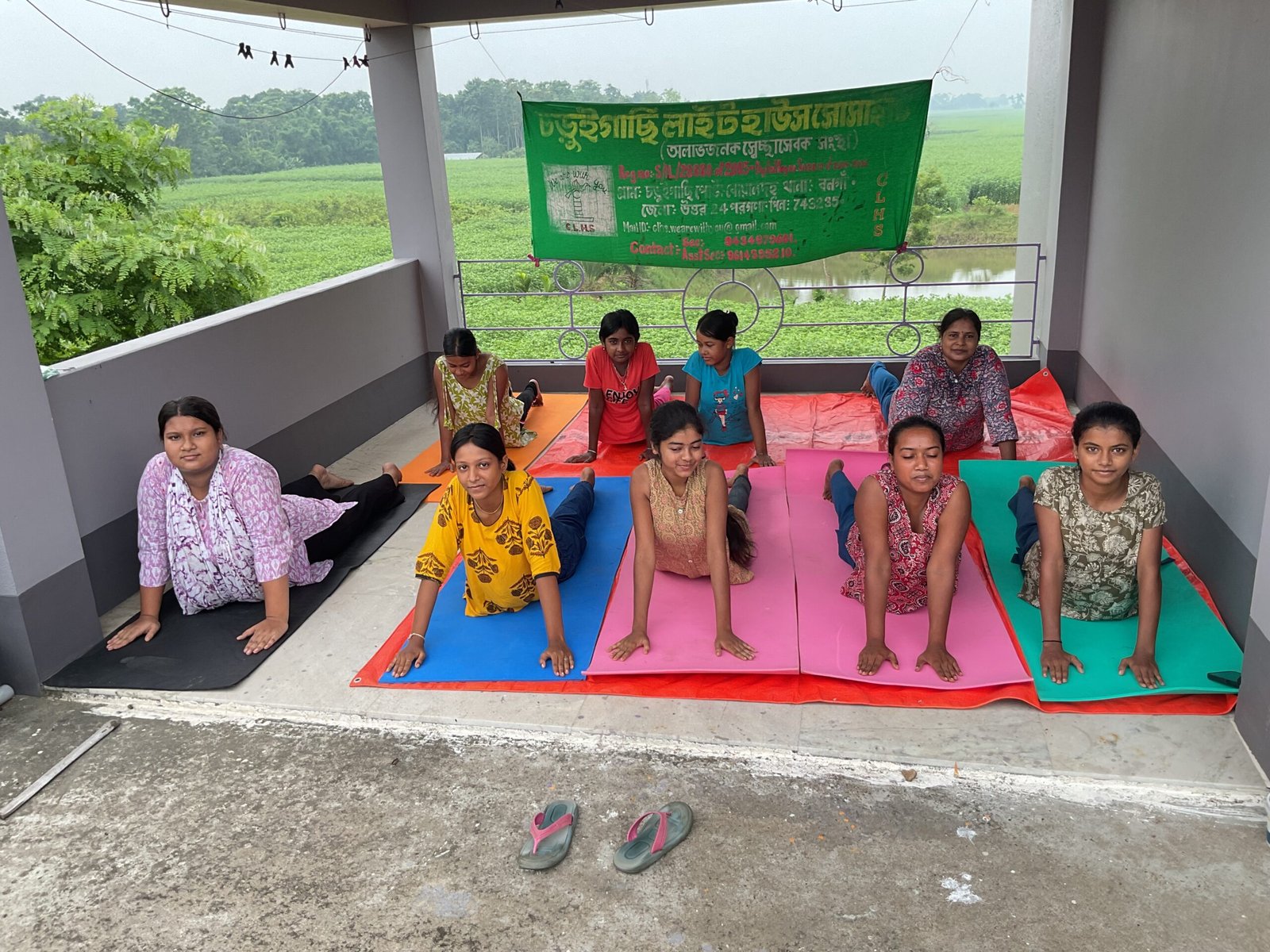
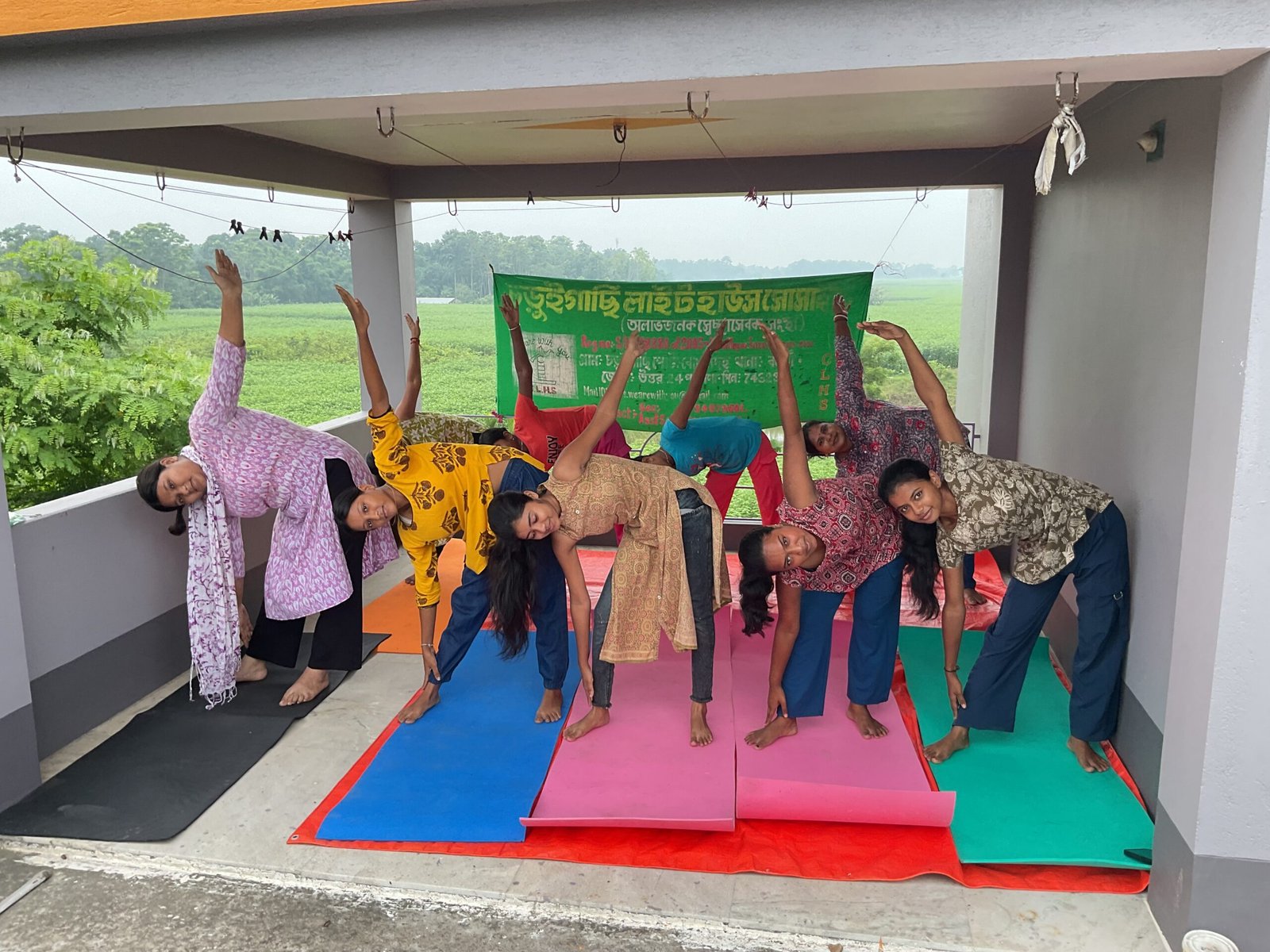
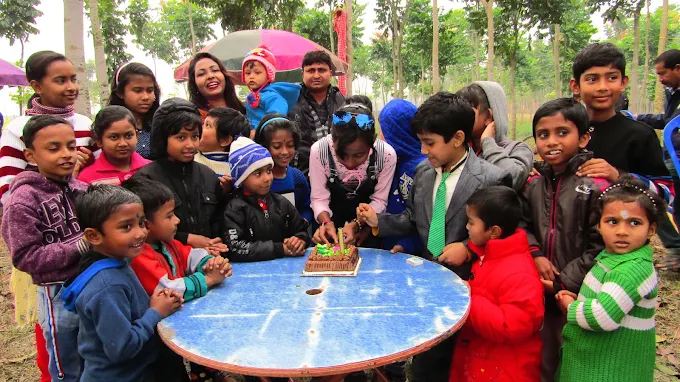
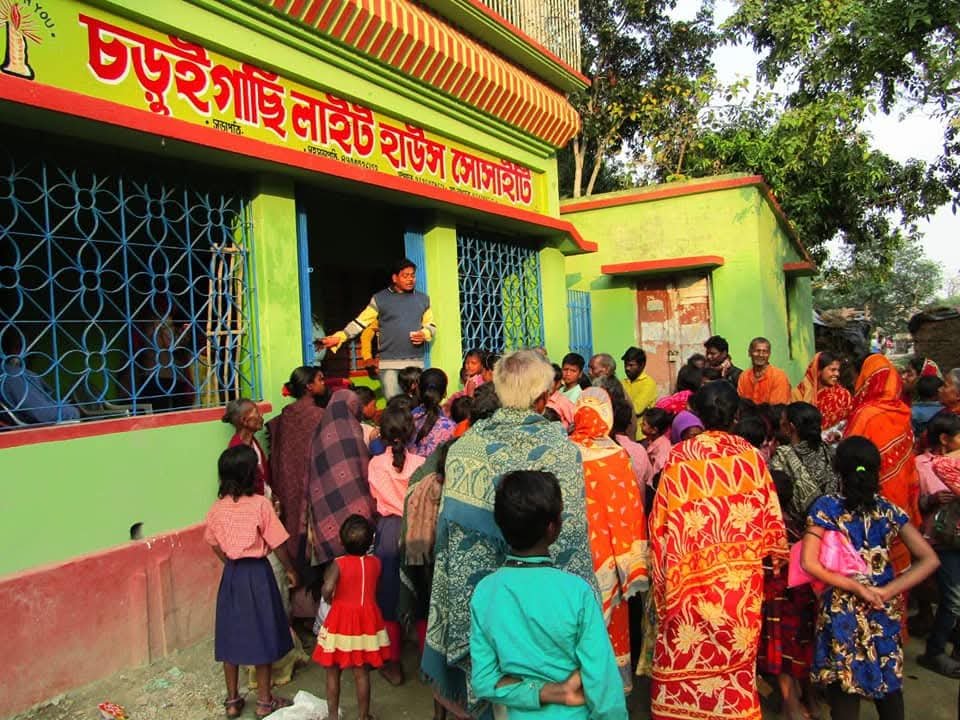
Established in 1998, Charuigachhi Light House Society (CLHS)began as a group of caring individuals dedicated to making a positiveimpact in their local community. By 2005, CLHS had officiallybecome a non-profit organization.CLHS recognized the significant challenges faced by its community,including widespread human trafficking, limited attention to girls' andwomen's education within families, prevalent child marriage,entrenched poverty, and insufficient health awareness. Motivated by astrong commitment to instigate real change, CLHS initiated grassrootscampaigns, utilizing innovative methods like roadside and stage playsto spread essential information and engage the community.
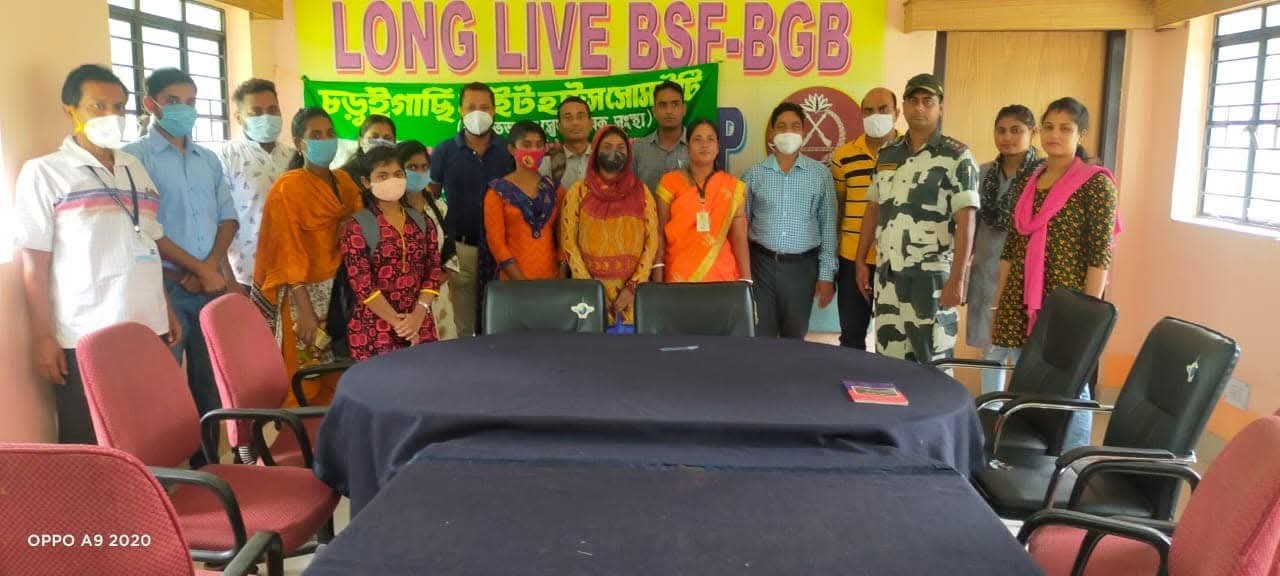
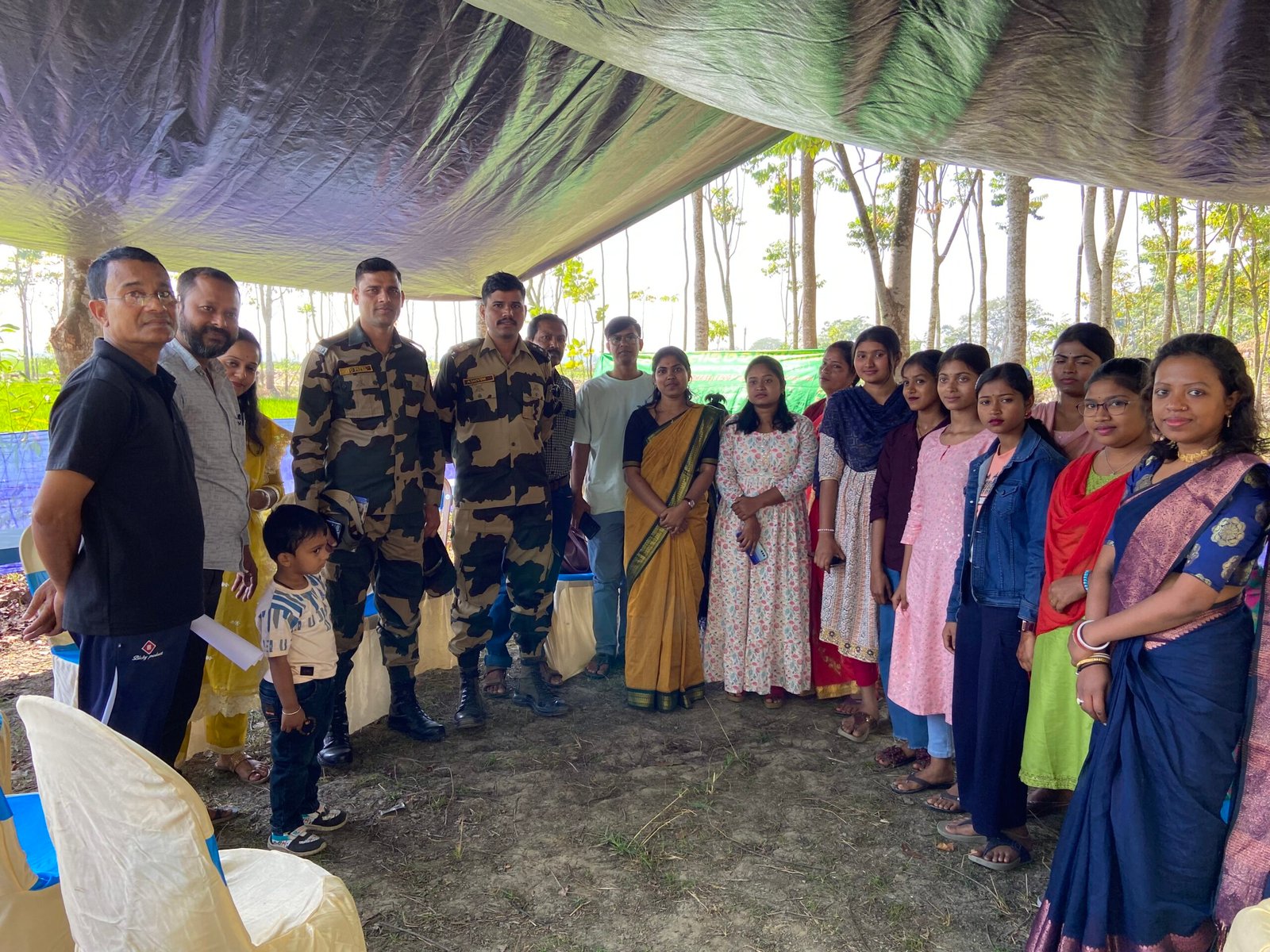
Over nearly two decades, CLHS has built strong connections withcommunity members, earning their trust through advocacy andtangible actions. From rescuing trafficking victims to empoweringchildren through education, CLHS has become synonymous withresilience and dedication. As a result, community members frequentlyseek their assistance and share information on social issues.Central to CLHS's success is its broad network of allies, includingvolunteers, social workers, civic-minded individuals, political leaders,fellow NGOs, and the PAT consortium that it is part of. Throughcollaborative efforts, CLHS has expanded its impact, mobilizingresources and addressing complex social challenges. Closecollaboration with the community has been crucial, with communitymembers providing valuable information about child marriages, activetrafficking rings, and more, as well as support for fundraisinginitiatives.Committed to accountability and transparency, CLHS prioritizes theprofessional development and ethical conduct of its members andvolunteers. Through ongoing monitoring and democratic governance,CLHS ensures the integrity of its operations while welcoming newperspectives to enrich its collective vision.As CLHS continues its journey, guided by principles of community-led development and inclusivity, it remains dedicated to empoweringindividuals and fostering a brighter future for all.
Objectives :
At CLHS, our objectives are rooted in our unwavering commitment tocatalyzing positive social change and fostering a more equitable andempowered society. With a clear vision and strategic focus, our goalsencompass the following key areas
Eradicating Social Evils
We are dedicated to eradicating social evils such as human trafficking,child marriage, and the lack of education among girls within our localcommunities. Our aim is not only to minimize these issues but tocompletely eradicate them from our society.
Expanding Reach
In the pursuit of our mission, we endeavor to expand our reach beyondour current subdivisions. By working in larger areas and sharing ourexpertise with other organizations, we aim to amplify our impact andcreate lasting change.
Promoting Accountability
CLHS is committed to promoting accountability within PanchayatiRaj Institutions (PRI), irrespective of political affiliations. Throughactive engagement and advocacy, we strive to make PRI moreresponsive to the needs of the communities they serve.
Empowering Communities
We believe in empowering communities to advocate for their rightsand address local issues collectively. By facilitating linkages betweencommunities and local administration, we aim to amplify their voicesand effect meaningful change.
Promoting Economic Empowerment
CLHS seeks to promote economic empowerment by supporting smallhandcraft industries and linking them with Self-Help Groups (SHGs).Concurrently, we advocate for accountability within the administrationto ensure support for these initiatives.
Data Collection
Informed decision-making is essential to our work. Therefore, weprioritize the collection of relevant data through organized research,enabling us to develop targeted interventions and measure our impacteffectively.
Scope of Work and Relevance
CLSH is a non-profit organization with a long history of workingtowards positive social change in the communities of Bengal. Since itsinception in 1990, CLSH has witnessed significant transformations inthe social, economic, environmental, and political landscape of theregion.
Positive Developments
Improved Infrastructure and Governance:
Stronger stateinfrastructure, including healthcare facilities, law enforcementsystems, and a more responsible administration, has contributed topositive changes in the community.
Women Empowerment:
Increased access to education,participation in the workforce, and financial independence are leadingto a breakdown of traditional patriarchal norms and a rise in women'sagency. This includes greater mobility, economic assertion, and adecline in harmful practices like child marriage.
Economic Growth and Financial Inclusion:
income and wealth has led to changes in personal lifestyles andconsumption patterns. The weakening of private moneylenders andincreased access to affordable credit through banks are furthercontributing to financial security.
Improved Family Dynamics:
Smaller families allow for morefocused attention on child-rearing and a reduction in genderdiscrimination. Daughters are receiving better education andinheritance opportunities.
Challenges and Considerations
Weakening Agricultural Sector:
Soil salination, alternative land use,and declining youth interest in farming are contributing to increasedmigration and unemployment. The service sector remains the onlyarea with consistent job growth.
Technological Impact:
Increased internet and technology access,while beneficial for governance and entertainment, also poseschallenges like addiction and social vulnerabilities.
Persistent Inequalities:
Patriarchy persists in certain pockets, leadingto stigma against childless women and trans individuals.
Shifting Social Dynamics:
Changing social norms and thedisintegration of joint families have led to increased individualism,decreased community collectivism, and a shift away from traditionalcultural activities towards technology-based entertainment. This hasalso resulted in potential consequences like reduced family bondingand less control over children.
Political and Judicial Concerns:
Increased political control,weakened local governance, and potential corruption within thejudicial system pose significant challenges.
Environmental Degradation:
Excessive use of synthetic fertilizers,climate change impacts, and reactive disaster management systemsthreaten the environment and livelihoods.
Contact us
Village- dakshin Charuigachhi, Po- Boaldaha, Ps- Bongaon, North 24 Pargabas, West Bengal, Pin- 743235
Call- 9434979601
Email- clhs.wearewithyou@gmail.com